By Ramadhani Kupaza
Environment & Development Consultant
+255784892338
Pete Hancock was a naturalist interested in nature-based spirituality as a means to enhance the well-being of people.
Pete distinguished nature-based from religion-based spirituality.
In particular, Pete designed a setting in the African wilderness to enable tourists to attach their souls to nature.
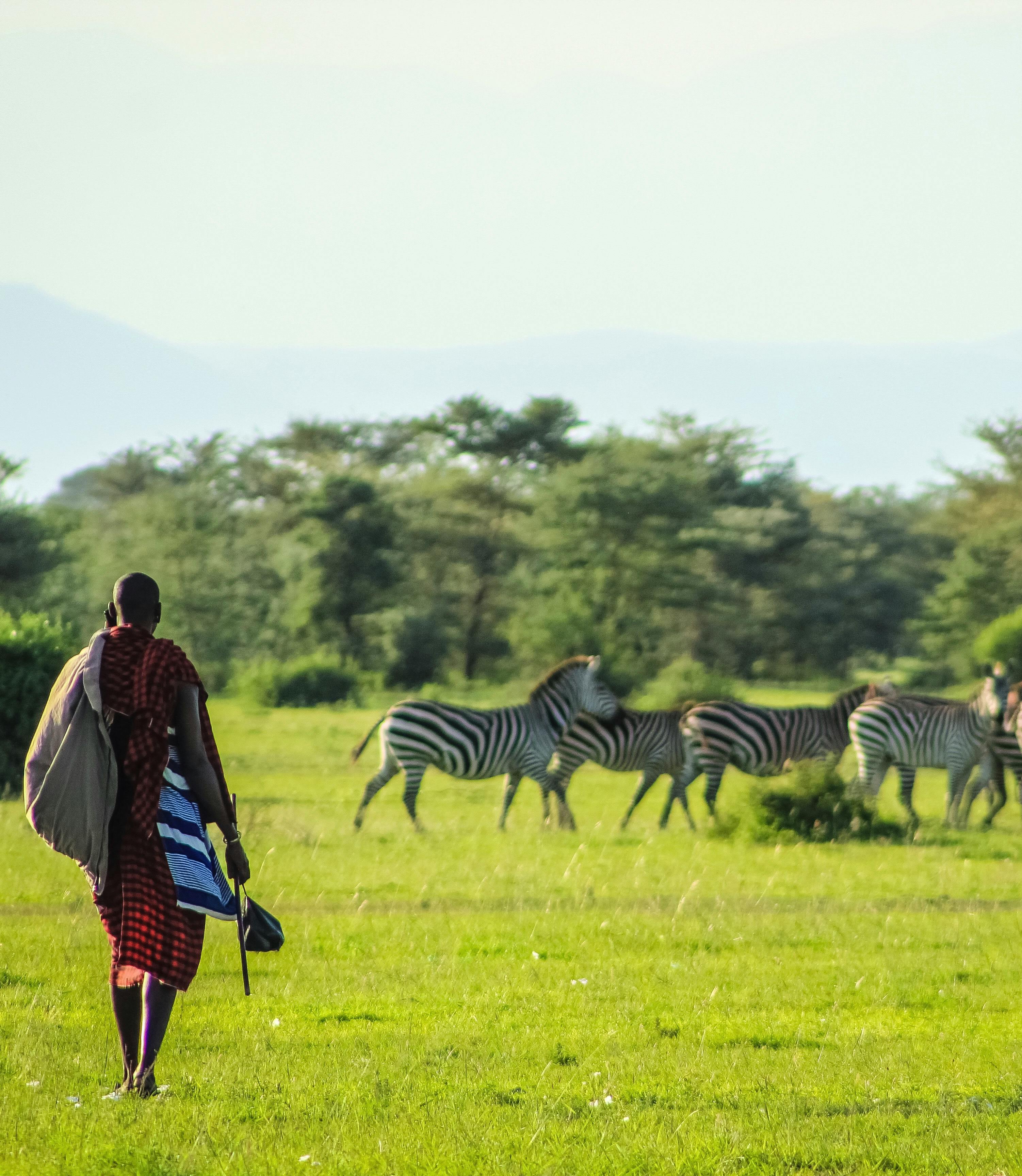
In practice, Pete planned to enable tourists in the category of backpackers to practice the life of an indigenous pastoralist community as it happened 100 years ago.
As preparation for the wilderness setting, Pete commissioned a tourism expert to document historical information on the culture and traditions of the indigenous community as a basis for designing a day in the life of the pastoralist community as it happened 100 years ago. In addition, the expert documented information regarding the absence of basic facilities like cooking appliances or eating utensils for the community 100 years in the past. The theme of the wilderness-setting program was “Wilderness Challenge.” The program challenged the tourists mentally, emotionally, as well as physically as a means to connect the tourists’ souls to nature.
Meat was the only dish for the tourists since the community, which practiced pastoralism, ate meat only then. Therefore, the organizers of the wilderness setting provided the tourists with procedures to slaughter and skin goats for their evening meal. The tourists wrapped the meat with the goats’ skins, dug a hole in the ground, and covered the meat in the hole with sand.
Then, the tourists cooked the meat by making a big fire on top of the ground where they had buried the meat in the soil. While waiting for the meat to cook, the tourists sat around the big fire in the evening in a setting that created a feeling of connection to the natural atmosphere in the area. In particular, the setting connected tourists’ souls with the soil, since the soil enabled their dinner to cook.
After cooking, the tourists ate juicy goat meat served on palm leaves since the community had no eating utensils 100 years ago. Tourists connected to nature through palm trees, which provided plates for their dinner.
After dinner, the tourists retired to sleep in the open air inside mosquito nets, which they tied to the stems of nearby trees in the area. Tourists immersed themselves in the functioning of the African jungle during the night. Said differently, the tourists slept under an open African sky decorated with bright stars and the moon. Sleeping in the open enabled tourists to listen to a diversity of wild animal calls and to the whistling of gentle wind through the wilderness all night. Early birds’ calls acted as wake-up calls in the morning that prepared the tourists to continue the process of interacting with nature under daylight.
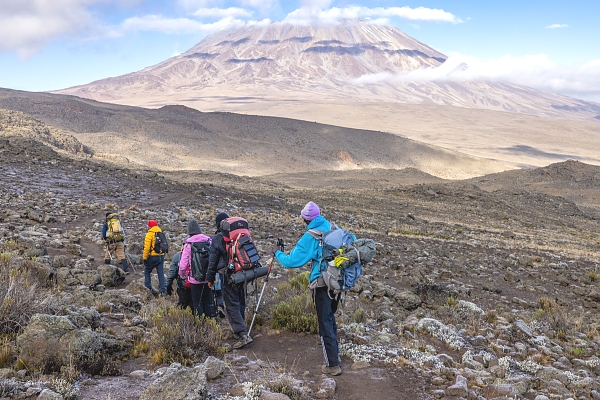
In order to provide an opportunity for tourists to connect with nature under daylight 100 years in the past, Pete, the naturalist, designed a tourism program in the form of fly camping. Pete’s fly-camping program provided tourists with an opportunity to walk through a wilderness where potentially dangerous animals like elephants and buffaloes existed. Therefore, it was important for Pete to assign professional guides to accompany the tourists while they walked through the wilderness.
Tourists ate leftovers from the previous night’s dinner for breakfast.
After breakfast, guides briefed the tourists about the program of the day. They advised tourists to prepare to connect with nature by keeping their eyes open constantly in order to see and observe the natural surroundings as they walked through the wilderness. The guides advised the tourists to keep their ears attentive in order to listen to nature talking to them and use their noses to smell the sweetness of wildflowers, fruits, and berries as they walked to the next fly camp.
Both the guides and tourists agreed, during the briefing, that they would walk silently as much as possible in order to achieve the most satisfaction in their relationship with nature while walking in the wilderness. Walking silently was an opportunity for the tourists to connect to nature as a means to soothe their souls and to improve their wellness. In addition, the guides briefed the tourists about safety precautionary measures like informing the tour guides of any need to stay away from the group of fellow tourists while walking in the wilderness.
After the briefing for the walk, the tourists wrapped and carried leftover meat for lunch along the way. The tourists also carried the skin and the brain of the goat, which they had slaughtered for dinner on the previous day.
For the first encounter in the wilderness, the tourists observed a bull elephant weighing about 10,000 kilograms furiously chasing away a small dik-dik weighing only about 4 kilograms. Some tourists were curious as to why a huge animal like an elephant would chase away a small animal such as a dik-dik. Tourists observed more intriguing events that aroused their curiosity as they walked through the wilderness. Nature always fascinates.
On arrival at the next fly camp, the tourists sun-dried the goatskin and smeared the brain from the goat to soften the skin. It was a skin-softening technique that the indigenous people in the area applied 100 years ago. In addition, the tourists used roots of indigenous plants to tan the skin. That is how members of that community processed skins for clothing 100 years ago.
The tourists arrived at the next fly camp on time to cook and eat a fresh meal for dinner. The dinner at the second fly camp completed the tourists’ day of life as pastoralists living 100 years in the past