By Ramadhani Kupaza
Environment & Development Consultant
+255784892338
Especially wild animals are currently the choice attraction features for tourism in Tanzania. That choice is a result of how tourism in the country
has been promoted over the years. However, the country is also home to high diversity of tourism attraction features other than wildlife.
Examples of non-wildlife features for tourism in Tanzania include marine parks, marine reserves, marine lives, fresh water bodies, mountains,
and cultural features. Other non-wildlife tourism attraction features include, historical sites, caves, minerals, jewelry, festivals, entertainment
and trade fairs.
The Zanzibar Marine Parks, especially at Chumbe and Mnemba, and the Mafia Island Marine Park as a choice, are unique for their exceptionally
preserved, shallow coral reefs, high biodiversity (over 500 fish species), and specialized conservation models. Key features include snorkeling
with whale sharks (Mafia). On its part, the Mnazi Bay-Ruvuma Estuary Marine Park in Southern Tanzania is unique for hosting the highest coral
diversity on the East African Coast (over 258 species) and exceptional, pristine mangrove forests. The park serves as a critical, high-biodiversity
refuge for endangered green/hawksbill turtles, humpback whales, and dolphins.
Concerning choice in the form of fresh water bodies, there is Lake Victoria in the north, which is the world’s largest tropical lake, the second-
largest freshwater lake by surface area and the primary source of the Nile River. The lake is renowned for its incredible biodiversity, particularly
hundreds of colourful cichlid fish species that evolved uniquely within its waters. On its part, Lake Tanganyika is uniquely recognized as the
world’s longest (660km), second deepest (over 1,436m), and second-oldest freshwater lake, containing roughly 17% of the world’s available
freshwater. Located in the Western Rift Valley, its extreme age and isolation created a biodiversity hotspot, hosting over 250 species of cichlid
fish, 98% of which are found nowhere else in the world. Concerning Lake Nyasa, it is uniquely renowned for having the highest biodiversity of
fish species. The lake contains roughly 15% of all the world’s freshwater fish species, with hundreds of fish species found nowhere else in the
world. Lake Nyasa is the world’s fourth-largest freshwater lake by volume and a premier site for diving due to its crystal clear, deep water.
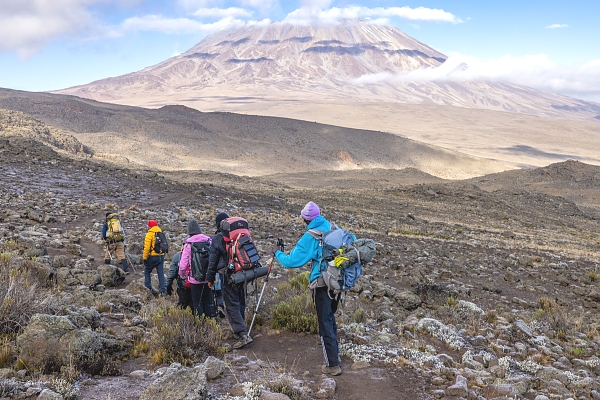
Referring to Mountains, tourists in Tanzania have choices to climb unique mountains beyond Kilimanjaro, including the biodiverse Usambara
Mountains, which are popular for hiking, bird watching and cultural tours. Located along Lake Tanganyika, are the Mahale Mountains, which are
famous for the Mahale Mountain National Park that is home to a large population of Chimpanzees. The Oldonyo Lengai Mountain known as the
“Mountain of God” to the Maasai, is an active volcano that erupts unique natrocarbonatite lava, which is cooler and blacker than typical lava.
Tourists choose to climb Udzungwa Mountains, which are part of the Eastern Arc chain that are known for incredible biodiversity, including
many endemic species, and the stunning 170 meter Sanje Waterfall. In addition, tourists choose to climb Uluguru Mountains known for unique
endemic plant species, including African violets and stunning ridgeline scenery. There is also a choice for tourists to climb Mount Meru, which is
Tanzania’s second-highest peak, often used for acclimatization, before climbing Kilimanjaro Mountain.
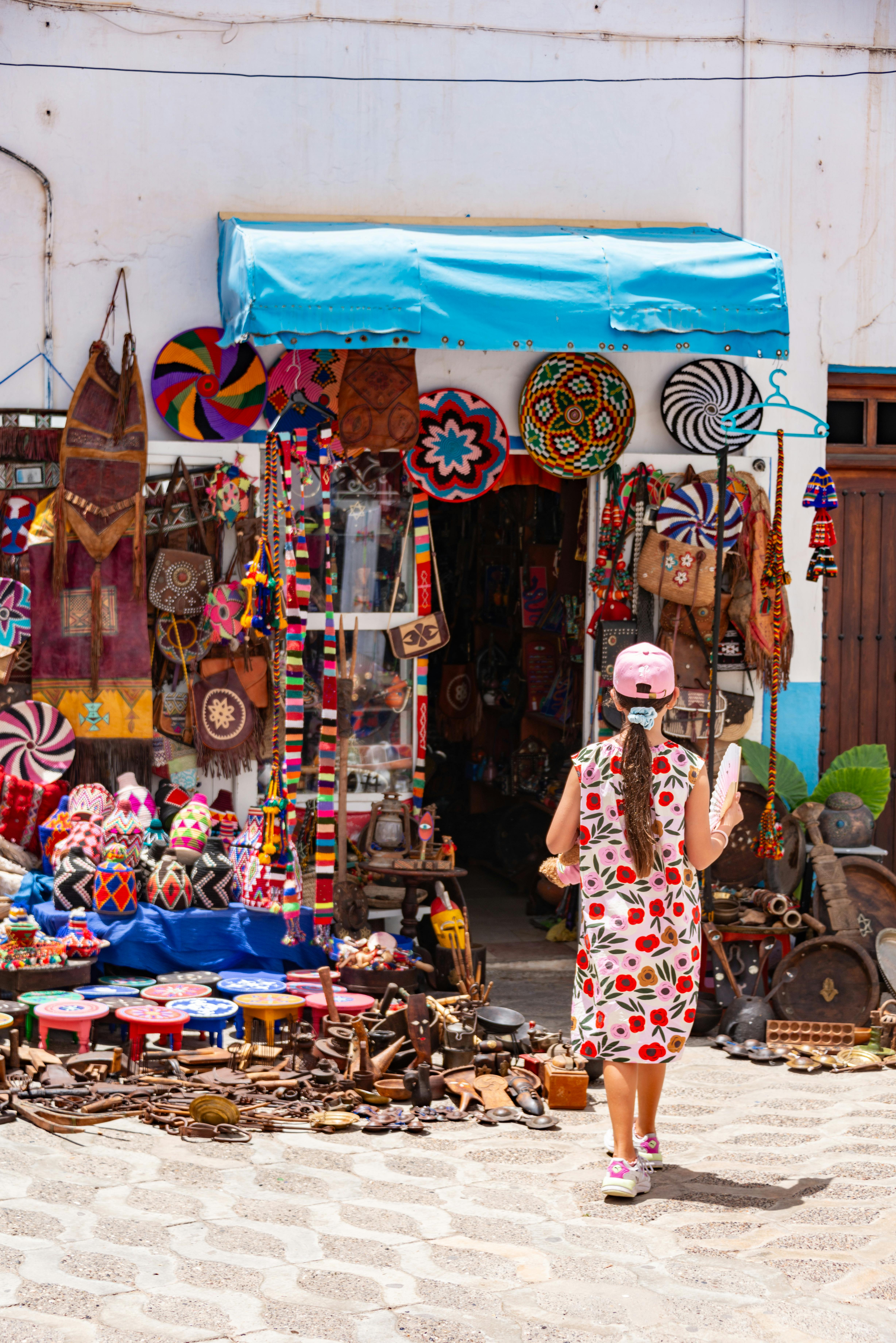
In terms of culture, tourists choose from the Tanzania’s vibrant culture with diverse tapestry defined by over 120 ethnic groups, primarily Bantu,
with unique traditions like Maasai pastoralism, Swahili coastal traditions, and rich artistry. Key features include the iconic red-shuka clothing of
the Maasai, the intricate Makonde woodcarvings, Tingatinga art and the widespread use of Kanga/Kitenge clothing fabrics for communication.
Tourists also choose to visit unique historical treasures ranging from early human evolution to Swahili coast trade, featuring UNESCO sites like
Olduvai Gorge (cradle of humankind). Other historical sites of choice include the Stone Town’s Arab-influenced architecture, and Kilwa Kisiwani’s
14 th -century ruins. The Kondoa Irangi rock paintings, Engaruka ruins, and Bagamoyo, the former German East Africa Capital during colonial time
are also key tourist attraction features of choice.
Concerning caves, toursists choose to visit extensive, ancient, and culturally significant caves, headlined by the 150-million year limestone
Amboni Caves near Tanga. Other key sites include the Kuumbi cave, and Kuza cave in Zanzibar, the elephant-frequented caves in Ngorongoro
and the historic Marangu defense caves.
The range of choice of unique minerals for tourism is wide which include Tanzanite (Blue Zoisite) found exclusively in a 7km by 2km area in the
Merelani Hills near Mount Kilimanjaro. It is a blue-violet variety of zoisite, valued for its intense colour and rarity (approx. 1,000 times rare than
diamonds). Tanzanite is trichroic, showing blue, violet and burgundy hues. Meanwhile, there is a choice for tourists to experience the Tsavorite
(Green Garnet) in Tanzania. It is a vibrant gemstone. Other tourist choose the Mahenge Spinel, which is a high quality, vibrant red and pink
spinel highly prized in the global market. The Tanzania Ruby from Umba River and Kilwa are choice gemstones valued for their unique deep
crimson –red hue. Choice Chrome Tourmaline in Tanzania is a distinct green gemstone found in an area known as Landanai. In Manyara region,
there is choice to observe Alexandrite, a rare, colour-changing chrysoberyl variety of gemstones. The choice of Graphite mineral found in Tanga
region is a high-purity, commercial battery-grade mineral (approx... 95% purity).
Other minerals of choice include high-quality diamonds from Williamson Diamond Mine in Mwadui area. Choice Gold is extracted from
greenstone belts around Lake Victoria. There is a chance for tourists to choose rare earth elements in the form for Neodymium and
Praseodymium with significant potential at a project known as Ngualla Rare Earth Project. Concerning Nickel, the Kabanga Nickel area is
considered one of the largest undeveloped nickel sulfide deposits in the world.
The choices of jewelry centers are located mainly in Arusha, Dar es Salaam and Zanziabar. Examples of jewelry centers are the Tanzanite
Experience and House of Gems in Arusha, the Karibu Tanzanite Jewellers and Queens Gems & Jewelry in Dar es Salaam and the Fahari Zanzibar
Jewelers in Zanzibar.
There are also varieties of famous festivals to choose from which include Sauti za Busara held in February at Stone Town in Zanzibar. Sauti za
Busara is one of East Africa’s largest music festivals, celebrating African music, Swahili culture, and jazz with performances from across the
continent. Tourists also choose the Zanzibar International Film Festival held in July. It is East Africa’s largest film and arts festival displaying
African cinema, music and culture. Other famous festivals of choice include the Bagamoyo Arts festival held in Sept/Oct in Bagamoyo. It is a
dynamic festival in the historic coastal town, featuring theater, acrobatics, drumming and traditional dances. The Kilimanjaro Marathon held in
March in Moshi town is a choice tourists’ sporting event held at the base of Mount Kilimanjaro.
In terms of fashion, there is the choice of Swahili Fashion Week held in December in Dar es Salaam. It is the largest fashion event in East and
Central Africa, displaying local designers.
Meanwhile, tourists choose to attend tourism related trade fairs, which include the Swahili International Tourism Expo held in Dar es Salaam
focusing on inbound/outbound travel within Africa. It incorporates a conference, workshops and networking for tourism professionals. In
addition, there is a choice in the form of Karibu/Kilifair Tourism Trade Fair held in June. It is East Africa’s largest tourism fair featuring 350+
exhibitors, including safari operators, lodges, and tourism boards, focusing on connecting with buyers, particularly from Europe and Africa. The
Z-Summit is held in Zanzibar in February. It is a choice expo focusing specifically on Zanzibar and Tanzania’s island tourism, bringing together
hoteliers, airlines, tour operators and government authorities. Another choice is the Nyangumi Festival held in September. It is a national
tourism exhibition organized by the Marine Parks and Reserves Organization in Tanzania. The exhibition displays marine biodiversity, coastal
culture, and sustainable tourism. While the Dar es Salaam International Trade Fair held in July annually is a business trade fair, it is a choice for
tourism because it features a strong tourism and hospitality section.
There has been enormous writing and promotion regarding choice attractions for wildlife tourism. Let it be enough to mention that there are 22
national parks in Tanzania covering about 15% of the countries land area. For choice uniqueness, investment and location of each park tourists
search Serengeti National Park, Nyerere National Park, Mount Kilimanjaro National Park, Tarangire National Park, Lake Manyara National Park,
Ruaha National Park, Katavi National National Park, Mahale Mountains National Park, Gombe Stream National Park and Mikumi National Park.
Other National Parks are Udzungwa Mountains National Park, Arusha National Park, Saadani National Park, Kitulo National Park, Rubondo Island
National Park, Saanane Island National Park, Burigi-Chato National Park, Ibanda-Kyerwa National Park and Rumanyika-Karagwe National Park.
There are also Kyerwa and Kimisi National Parks.
In addition, there are 32 Game Reserves in Tanzania covering about 23% of total land area of the country. Tourists search for uniqueness,
investment and locations of key game reserves from the following titles: Tanzania Grumeti Reserve, Ikorongo Game Reserve, Maswa Game reserve, Pande Game reserve, Moyowosi Game reserve, Liparamba Game Reserve and Kigosi Game Reserve. Others are Kijereshi Game Reserve,
Lukwati Game Reserve, Piti Game Reserve, Lukwika Lumesule Game Reserve, Msanjesi Game Reserve, Lwafi Game reserve, Mkungunero Game
Reserve and Moyowosi Game Reserve. Additional reserves are Rungwa Game Reserve, Kizigo Game Reserve, Selous Game Reserve, Mpanga
Kipengere Game Reserve, Swagaswaga Game Reserve, Luganzo Tongwe Game Reserve and Muhesi Game Reserve. Additiona Games Reserves
are Rukwa Game Reserve, Ugalla Game Reserve, Uwanda Game Reserve, Wamimbiki Game Reserve, Inyonga Game Reserve, Wembere Game
Reserve, Igombe Game Reserve and Malagarasi-Moyowosi Game Reserve.
There is also a multiple land use conservation area, encompassing the famous Ngorongoro Crater. Tourists search Ngorongoro Conservation
Area for uniqueness, investment and location of the area. Other protected wildlife areas are designated as Wildlife Management Areas (WMAs).
There are approximately 38 WMAs in Tanzania in various stages of development, with 21 of them formally gazette and operational as of 2023.
These community-based areas are designed to promote conservation and tourism while allowing local communities to manage and benefit from
wildlife resources. Tourists search titles for uniqueness, possible investment opportunities and locations of WMAs as follows: Burunge Wildlife
Management Area (WMA), Chingoli WMA, Enduimet WMA, Ikona WMA, Iluma WMA, Ipole WMA, Juhiwangumwa WMA, Ukutu WMA,
Kimbanda WMA, Kisungule WMA, Magingo WMA and Makame WMA. There are also Makao WMA, Mbarangandu WMA, Mbomipa WMA and
Nalika WMA. Others are Ngarambe/Tapika WMA, Randilen WMA, Umemaruwa WMA, Uyumbu WMA and Waga WMA.
Concerning uniqueness, possible investment and locations of protected forests, tourists search hiking choices in forests such as Amani and Nilo
Forest Nature Reserves in Tanga, Magamba Nature Forest Reserve in Lushoto and Mount Rungwe Nature Forest Reserve in Mbeya. Other forests
of choice hiking are Pugu Kazimzumbwi Nature Reserve in Dar es Salaam, Uluguru Nature Forest Reserve in Morogoro and Udzungwa Scarp
Nature Forest Reserve located in both Iringa and Morogoro Regions.
As a reminder, there are many more tourism attraction features in Tanzania. This article has listed only tourism attraction features of national
and international interests.